Rather than listing the many NGOs, we call your attention to the different and mostly issue-oriented nonpartisan groups that form part of the Community First Coalition (CFC). Their websites and Facebook pages are listed in this website. NGOs are INDEPENDENT of government and thus able to exercise their freedom of speech better than groups affiliated with government agencies and/or dependent on donors who seek to protect their monetary interests.
Besides those groups, El Paso is home to approximately eighty (yes, 80!) Neighborhood Associations (NAs). Read about these here . In those groups, residents can discuss and advocate for their geographic interests and take a position to protect or advocate for their area at city or county boards and commissions. NA presidents’ voices carry weight!
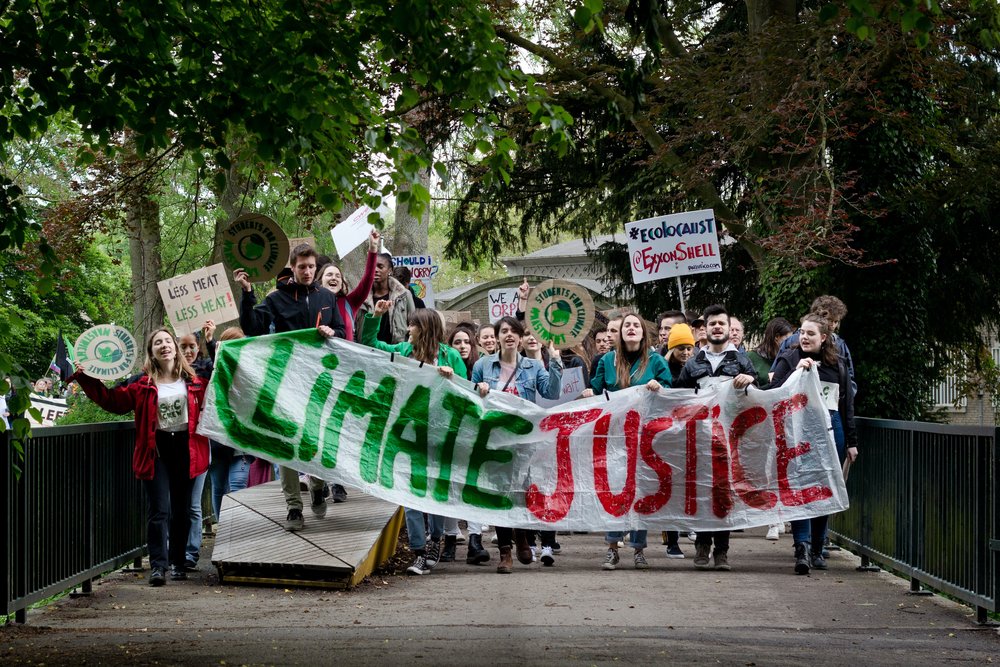
Residents have so many ways to to use–always worth repeating, their POWER IN NUMBERS! People can protest, demonstrate, and/or march to celebrate or to call attention to problems and to spread awareness before proposing concrete solutions. So many well-documented historical examples exist from the feminist, Chicano/a, union, and anti-war movements to Black Lives Matter, immigrant and civil rights movements generally. Earth Days and Teach Ins provide political education and other tools people use to push for change. Who can forget the exuberance of Pride parades, the Women’s March, and the Cesar Chavez/United Farm Workers events? These organized movements provide pressure for other NGOs to use to pass better laws and reform policies that affect us all from equal opportunity legal tools to make change.
Of course, political movements take time! All too often we hear people say “Why bother? Nothing changes.” But changes DO occur, and we want to illustrate some of the Community First Coalition (CFC) strategies for changes in El Paso. Several of us analyzed, wrote, and made public presentations about how wealthy, mostly Anglo men used their campaign donations to push changes to benefit their interests and acquire subsidies and breaks in their property taxes. Read Who Rules El Paso? Private Gain, Public Policy, and the Community Interest (2020). Examples:
*Historic Preservation in the Mission Valley corridor, South El Paso and Duranguito. In a synergy between former State Senator Rodríguez’s Task Force, activists and lawyers called attention to the rich cultural heritage of our region and the need to cherish and protect these assets. They celebrated treasured sites, delayed the boondoggle that yet another developer-designed sports arena would pose to neighborhood Duranguito near downtown, and worked with County Commissioner #2 Stout to acquire national and state historic designations for areas and thus economic incentives to improve buildings (not gentrify them!) while preserving their character.
*Caps on Political Campaign Contributions. By documenting obscenely high campaign contributions from accurate and public sources, exceeding $30,000 to past mayoral candidates and city council majorities, CFC moved discussion into the multiple and routine media coverage and to larger numbers of people–so much so that many more people became aware of the “pay-to-play” system and wanted to end or reduce it, opening up the electoral process for MULTIPLE people to support candidates in smaller amounts and/or to run for office themselves.
–a CFC organizational member Justicia Fronteriza PAC circulated petitions for ballot initiatives in 2022, one of which involves a $1,000 cap individual campaign contributions, and a second, for publicly financed campaigns. With enough petition signatures, city council representatives must PUBLICLY state their position and vote on this issue, including those who reap enormous benefits of more than $100,000 totals for running their campaigns.
–At public campaign forums, candidates are frequently asked questions about their big donors. Voters can now use candidates’ responses as one among many criteria for decisions on whom they will vote for.
Advocates typically push for WINNABLE goals. Sometimes they win; sometimes they do not; other times, advocates acquire a partial victory, such as the new local redistricting maps adopted in 2022.
Check the Facebook page of CFC’s coalition members to learn about goals achieved and ongoing work they are involved with.
 Community First Coalition